Sperm Chip Microfluidic Sperm Selection in Tbilisi, Georgia
Written on: 09 November 2026
Written by: Evren Armutcu
Medical review: Dr. Nino Chalauri, Embryologist
Last medical review: 09 November 2026
This content is for general information about sperm chip and is not a personalized diagnosis or treatment recommendation. Eligibility for treatment, possible risks and the plan to follow are determined by a physician’s assessment.
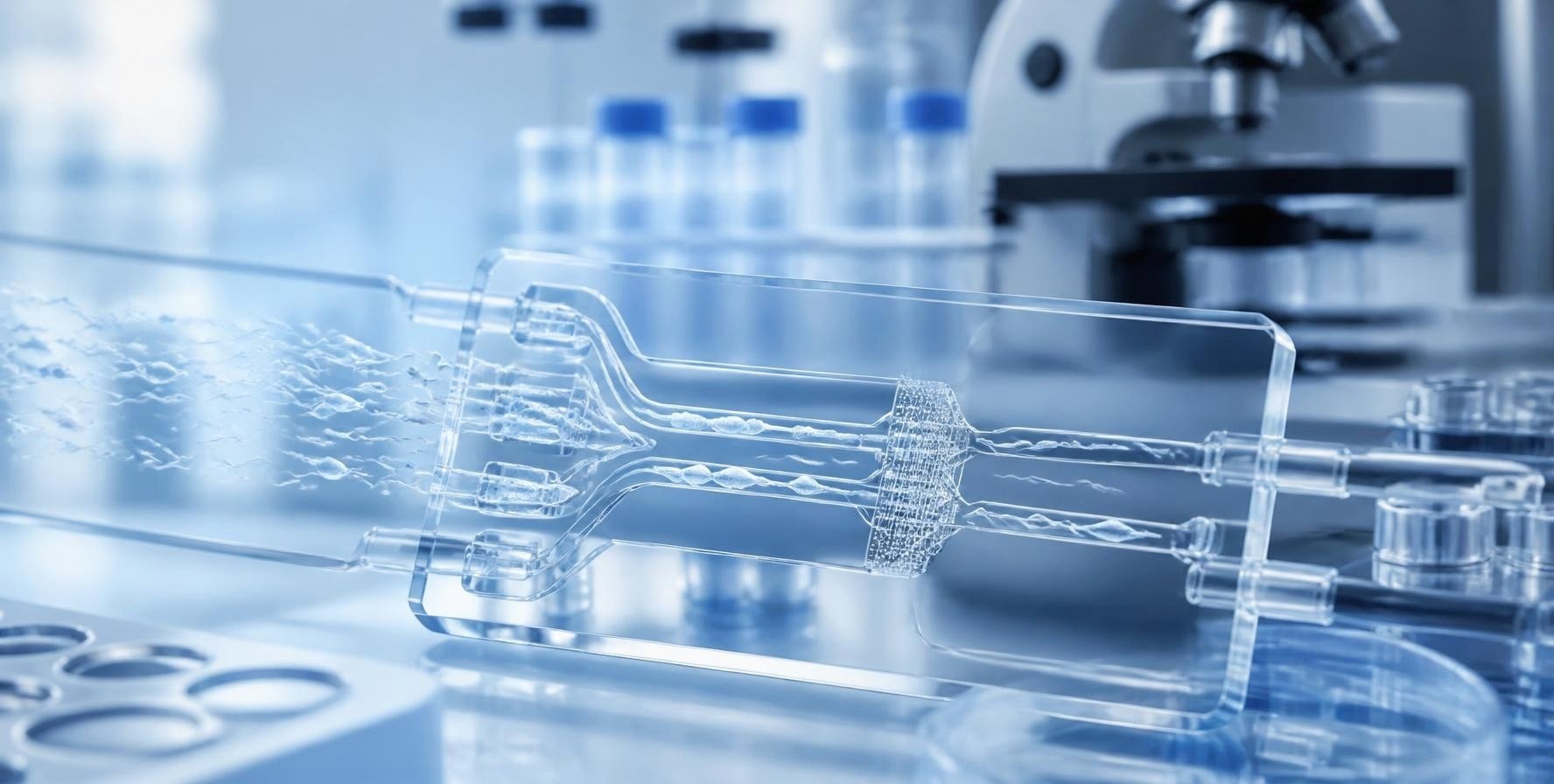
At Clinic Atlas in Tbilisi, we assess whether microfluidic sperm selection may be appropriate for your fertility treatment. Commonly called sperm chip technology, this laboratory method helps separate motile sperm from a semen sample.We explain its purpose, suitability and evidence before recommending its use. A sperm chip does not repair sperm or guarantee a pregnancy.
What Is a Sperm Chip?
A Laboratory Device for Sperm Selection
A sperm chip is a microfluidic device used during sperm preparation. Depending on its design, sperm move through small channels or a membrane into a collection area.The collected fraction is assessed before use in the planned fertility treatment.
Selecting Motile Sperm
Microfluidic selection uses sperm movement to help separate a selected group from the original sample.However, movement alone cannot establish that every selected sperm has normal chromosomes or completely undamaged DNA.
How Does Microfluidic Selection Differ from Conventional Preparation?
Reducing Certain Processing Steps
Some microfluidic systems allow sperm selection without the centrifugation steps used in conventional preparation.This may reduce handling and mechanical stress during processing. The exact method depends on the device and laboratory protocol.
Conventional Methods Remain Established Options
Density gradient preparation and swim up techniques remain appropriate for many patients.We do not assume that conventional processing always damages sperm or that a sperm chip is automatically the better choice.
What Does the Research Show?
Findings on Sperm DNA Fragmentation
Research suggests that microfluidic selection may produce a collected sample with lower sperm DNA fragmentation than some conventional preparation methods.DNA fragmentation describes damage to sperm genetic material. It is one aspect of sperm assessment, not a complete measure of reproductive potential.
Does a Sperm Chip Repair Damaged DNA?
No. The device selects from sperm already present in the sample.A lower fragmentation result in the collected fraction does not mean that damaged sperm DNA has been repaired.
Findings on Pregnancy and Live Birth
Some studies report improvements in particular laboratory or clinical outcomes. However, findings differ according to the device, patient group and outcome measured.Improved sperm parameters do not automatically mean a higher chance of having a baby. The benefit of routine use for every IVF patient has not been established.
Who Might Discuss Sperm Chip Selection?
Patients with Relevant Sperm Findings
We may discuss microfluidic selection when sperm findings, including elevated DNA fragmentation where appropriately assessed, raise a relevant clinical question.A test result alone does not establish that the technique will improve your treatment outcome.
Patients Reviewing Previous Treatment Outcomes
Previous fertilization problems or unsuccessful treatment may justify reviewing the overall plan.These outcomes can have several causes. We assess the wider circumstances rather than assume sperm selection is the only factor.
Samples with Very Low Sperm Numbers or Motility
A microfluidic device needs suitable sperm to move through its selection system. Very low sperm numbers or limited movement may reduce the amount recovered.The embryology team assesses whether the sample and chosen device are compatible.
Can a Sperm Chip Treat Azoospermia?
No. A sperm chip cannot create sperm or retrieve them from the testes.When no sperm are identified in semen, a separate specialist assessment is needed to investigate the cause and possible treatment options.
How Do We Plan Its Use at Clinic Atlas?
Reviewing Your Semen Analysis
We begin with the relevant semen results and treatment history.Additional investigations may be discussed where they could inform a decision. Sperm DNA fragmentation testing is not automatically required for every patient.
Confirming the Sample and Device Requirements
The laboratory checks whether the proposed preparation method is suitable for the available sample.Fresh and previously frozen samples may have different requirements. Compatibility depends on the device and the condition of the sperm after warming.
Preparing Sperm for the Planned Treatment
The collected sperm fraction is evaluated before use in the agreed IVF or ICSI plan.Microfluidic selection does not replace the fertilization procedure. Further information is available on our IVF and ICSI page.
Does Sperm Chip Selection Require Another Patient Procedure?
Processing Takes Place in the Laboratory
The selection step is performed on the semen sample. It does not usually require an additional surgical procedure for the patient.Your sample collection instructions depend on the wider treatment plan.
Treatment Risks Still Need Discussion
Using a sperm chip does not remove the risks or uncertainties associated with IVF and ICSI.We explain the proposed laboratory approach without presenting it as proof of a safer pregnancy or a healthy child.
What Should You Understand Before Agreeing?
The Expected Purpose and Alternatives
We explain why microfluidic selection is being considered and what conventional preparation options are available.You should understand both the possible benefit and the limits of the evidence.
Any Additional Cost
Ask whether sperm chip preparation is included in your quotation or charged separately.An additional fee does not itself establish that an application will improve your individual chance of success.
Discuss Sperm Chip Selection with Clinic Atlas
Contact Clinic Atlas in Tbilisi, Georgia, to discuss sperm preparation and the assessment relevant to your circumstances.We can review your existing reports and explain whether microfluidic selection has a reasonable role in your treatment plan.