Egg Donation: The Procedure, Eligibility Criteria, Risks, and Factors to Consider
This article will clarify the concept of egg donation, identify suitable candidates, outline the general process, discuss potential risks and considerations, and highlight how legal and ethical issues can differ across countries, all in accessible language. This article serves general informational purposes only; for your specific circumstances, it is advisable to seek consultation from a gynecologist or reproductive health specialist and, if needed, legal counsel.
What does egg donation entail?
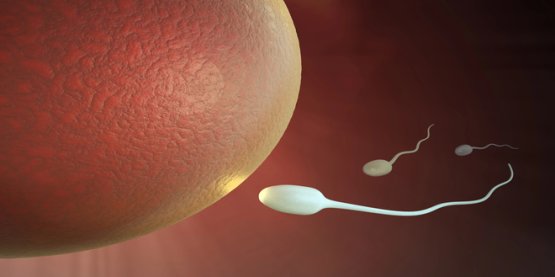
Egg donation involves the medical collection of a donor's eggs, which are then utilized to facilitate pregnancy in another individual or couple. Generally, the eggs are fertilized with sperm in a laboratory setting, resulting in the creation of an embryo, which is subsequently transferred to the uterus of the individual who will carry the pregnancy.
This method may be regarded as a viable option for starting a family in situations where the likelihood of conceiving with one's own eggs is minimal or unattainable. Protocols and application conditions can vary between clinics and countries.
| A brief reminder — Egg donation is not “the singular correct solution for everyone.” However, with appropriate medical assessment and careful planning, it can serve as a significant option for certain individuals. |
2) For whom might it be appropriate?
Egg donation might be an option in certain situations following an assessment by your physician. The examples below highlight typical reasons (specific criteria can differ from individual to individual):
Advanced age and diminished ovarian reserve — The likelihood of pregnancy may decline due to a reduction in the quantity and quality of eggs linked to age.
Premature ovarian insufficiency / early menopause — A reduction in ovarian function occurring sooner than anticipated.
Repeated unsuccessful IVF attempts — This option may be contemplated due to factors such as inadequate embryo development in successive attempts despite following the correct protocol.
Risk of genetic disease transmission — In certain hereditary conditions, donation may be considered as an option (alongside genetic counseling).
Medical treatments impacting the ovaries — including conditions that may influence ovarian function, such as certain cancer therapies.
At this stage, it is crucial that the "suitability" decision is not determined solely by age or a single test. Hormone tests, ultrasound results, medical history, and any prior treatment responses are assessed collectively. Emotional readiness and support systems also play a significant role in the decision-making process.
3) What is the general process?
While clinics may implement varying practices, the egg donation process typically involves comparable steps. The subsequent flowchart serves as a general framework:
Initial interview and assessment — Medical history, examinations, uterine evaluations, screenings for infectious diseases, and details about the procedure are provided. Some centers also suggest psychological counseling.
Donor selection and matching — Depending on the laws of the country, the donor may remain anonymous or be publicly identified; factors such as physical traits and blood type may be considered in certain regions.
Donor stimulation and egg retrieval — The donor administers medications to promote egg development; subsequently, the eggs are harvested through a medical procedure.
Fertilization and embryo development — Eggs are fertilized by sperm, and embryos are observed in the laboratory for several days. In certain instances, genetic screening options may be evaluated, depending on the clinic and country.
Embryo transfer — The uterus of the individual designated to carry the pregnancy is prepared for the transfer; the chosen embryo is placed into the uterus.
Follow-up and pregnancy test — A pregnancy test is conducted at a specific time following the transfer; irrespective of the outcome, subsequent steps are organized.
| Practical tip — Prior to the commencement of the process, obtain a written “treatment plan” from your clinic: specify the anticipated timeline, medications to be administered, supplementary tests, total cost breakdown, and conditions for cancellation or postponement. |
4) Possible hazards and factors to monitor
The risks associated with egg donation can be categorized into three main areas: medical procedures, emotional health, and administrative or legal considerations. The information provided is general; it is crucial to consult with your doctor regarding your individual risk profile.
Medical risks (general framework) — The donor may encounter side effects associated with ovarian stimulation and egg retrieval. For the recipient/carrier, the overall risks of post-transfer pregnancy (which depend on factors such as age and comorbidities) are also evaluated.
The likelihood of success and uncertainty — No treatment can guarantee a 100% success rate. Factors such as embryo quality, uterine conditions, health status, and clinical practices can all influence the results.
The emotional journey — Factors like decision-making, the "genetic connection," communicating with family or outsiders, and possible unsuccessful attempts can lead to stress. Pursuing psychological support, when necessary, can alleviate the process.
Selecting a trustworthy clinic — Inquire about aspects such as clear success statistics, patient information procedures, infection screening protocols, donor screening criteria, and confidentiality policies.
Financial planning — The details of the package, any additional fees (such as for medication, freezing, storage, genetic testing, number of transfers, etc.), and the conditions for refunds or cancellations must be clearly outlined.
5) In what ways can legal and ethical considerations differ across various countries?
One of the most significant challenges in egg donation is that regulations differ greatly from one country to another. The term "egg donation" can encompass various rules and rights depending on the country. For instance:
Anonymity — In certain countries, the identity of the donor remains confidential; in others, the child may have the right to obtain information regarding the donor's identity upon reaching a specific age.
Who is eligible to access it? — The access criteria for married couples, single individuals, or same-sex couples can differ depending on the country.
Donor screening and restrictions — Age restrictions for donors, medical and genetic screenings, as well as limitations on the number of offspring that can be conceived from the same donor, may differ.
Defining parenthood and registration procedures — Topics including birth certificate processes, acknowledgment of parental rights, and registration procedures upon returning to the country may become significant.
Ethics and information — Guidelines regarding donor consent, pricing strategies, data confidentiality, and future disclosure to the child can differ from one clinic to another.
| A cautious strategy — Confirm the existing laws of the country where you are contemplating treatment and their relevance to your circumstances using documentation supplied by the clinic and, if feasible, with a specialist advisor. |
Commonly Asked Questions
How is the genetic connection to a baby established through egg donation?
Genetically, the embryo is connected to the egg donor and sperm provider. The individual carrying the pregnancy is essential in the medical and biological aspects of the pregnancy (including the pregnancy environment). Grasping this can occasionally be emotionally difficult; counseling assistance can be beneficial.
What is the process for selecting a donor?
The selection process is governed by the regulations of the country and the protocols of the clinic. Certain locations provide minimal profile information (such as physical attributes, blood type, and educational background); others disclose even less. It is important to clarify the standards for donor screening and the information that will be shared in advance.
What factors influence the likelihood of success?
Embryo quality, uterine conditions, overall health status, age, history of previous pregnancies or attempts, and clinical practices can all influence outcomes. Clinics typically provide statistics; however, it is important to remember that this information may not accurately reflect your individual circumstances.
What is the required number of attempts?
This can differ significantly based on the individual and the number or quality of embryos. Some individuals may achieve conception on the first transfer, while others might need several attempts. A "Plan B" (such as utilizing frozen embryos or conducting further tests) can be addressed in advance.
What is the duration of the process?
The timeline differs based on donor stimulation, matching duration, transfer schedule, and supplementary testing. The clinic can provide you with an estimated timeline.
How are privacy and legal rights regulated?
Privacy, parental rights, and registration procedures differ from one country to another. Obtaining written contracts or information notices from the clinic and consulting legal counsel if necessary is the most secure method.
Concise overview and forthcoming actions.
Egg donation can serve as a significant option for certain individuals and couples seeking to begin a family. The most informed decision is reached by evaluating medical suitability, emotional readiness, and the legal context collectively.
As the next step, arrange a meeting with a reproductive health expert you trust, formulate questions tailored to your circumstances, and ask for written details regarding potential countries or clinics. If you prefer, you can convert the points in this article into a checklist and bring it to the meeting to facilitate a clearer and more composed decision-making process.